


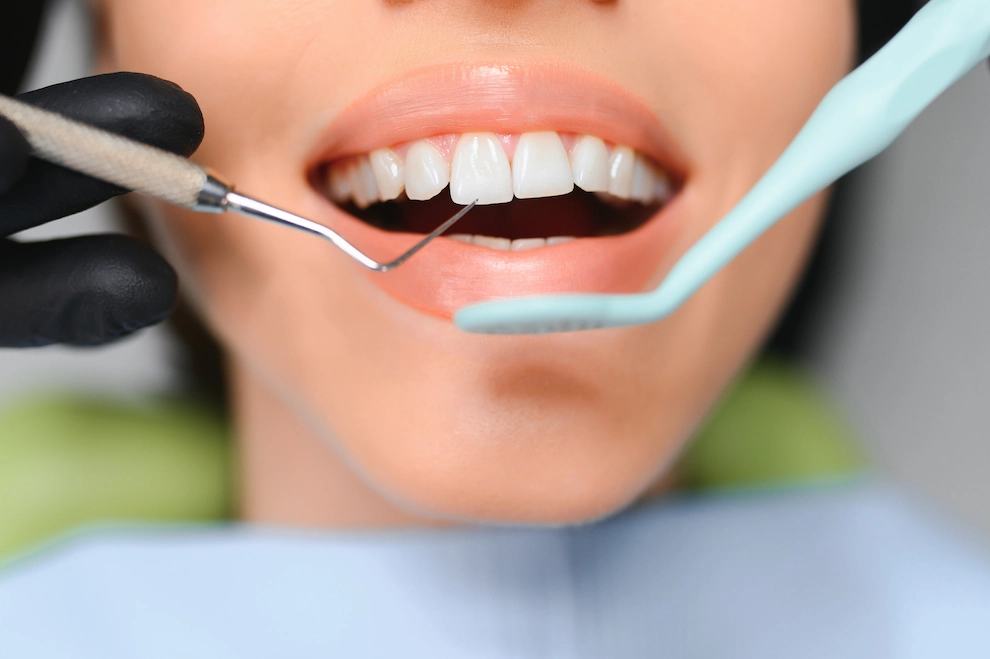
One of the first things people notice about you is your smile. A confident, attractive smile can boost your self-esteem and positively influence both your social and professional life. That’s why aesthetic dental procedures have become increasingly popular in recent years. But what exactly is dental aesthetics, and how does it differ from smile design?
In this article, we’ll clarify the core concepts of aesthetic dentistry and explain which treatments suit different needs.
What Is Dental Aesthetics?
Dental aesthetics refers to a range of procedures designed to improve the appearance of the teeth in terms of shape, color, alignment, and overall harmony. The goal is to create a more beautiful and symmetrical smile. These procedures not only enhance aesthetics but also improve the functionality of the teeth.
Each treatment is customized to the individual. Since everyone’s facial features, lip structure, and jaw shape are different, the approach must be personalized.
Common Procedures in Dental Aesthetics
Dental aesthetics covers a wide variety of treatments. The most frequently used methods include:
- Teeth whitening
- Laminate veneers (porcelain veneers)
- Zirconium crowns
- Gum aesthetics (also known as pink aesthetics)
- Diastema closure (closing gaps between teeth)
- Orthodontic corrections
- Cosmetic fillings
These procedures can be performed individually or combined depending on the patient’s needs.
What Is Smile Design?
Smile design is a personalized aesthetic treatment plan tailored to an individual’s facial features, expressions, and personality. In essence, it’s a customized approach to dental aesthetics. Smile design considers not only the teeth but also the lips, jaw structure, and overall facial proportions.
It’s a more comprehensive method. The dentist uses digital imaging, patient expectations, and facial analysis to create a unique treatment plan.
Key Differences Between Dental Aesthetics and Smile Design
Although often used interchangeably, there are several distinct differences between dental aesthetics and smile design:
- Scope:
Dental aesthetics focuses on localized dental improvements. Smile design takes a holistic view, aligning dental work with the entire face. - Planning Process:
Aesthetic procedures often follow standard protocols. Smile design is tailored to facial proportions, tooth positioning, lip thickness, and other personal features. - Objective:
Dental aesthetics aims to enhance the appearance and shape of the teeth. Smile design creates a natural, attractive smile that harmonizes with the face. - Technology Used:
Smile design typically incorporates digital software and 3D simulations, allowing patients to preview results before treatment begins.
Who Can Benefit?
Aesthetic dental treatments are suitable for anyone with healthy teeth and gums. They are especially beneficial for those who:
- Are dissatisfied with the color of their teeth
- Have misshapen or uneven teeth
- Want a better smile but prefer to avoid braces
- Have uneven gum lines
- Have gaps between front teeth
A thorough dental examination is required before starting any procedure.

Are the Results Permanent?
Dental aesthetics and smile design treatments are generally long-lasting. However, their durability depends on several factors. Maintaining good oral hygiene, attending regular checkups, and using appropriate dental care products can significantly extend the results. Habits such as teeth grinding or smoking may reduce the longevity of the outcomes.
In summary, dental aesthetics helps you achieve a visually appealing smile, while smile design adds a personalized touch for a harmonious, natural result. When combined, they deliver both functional and aesthetic excellence.
Interested in learning more about dental aesthetics or personalized smile design?
Visit Megadentist
Explore our treatments and follow us on Instagram: @Megadentist


