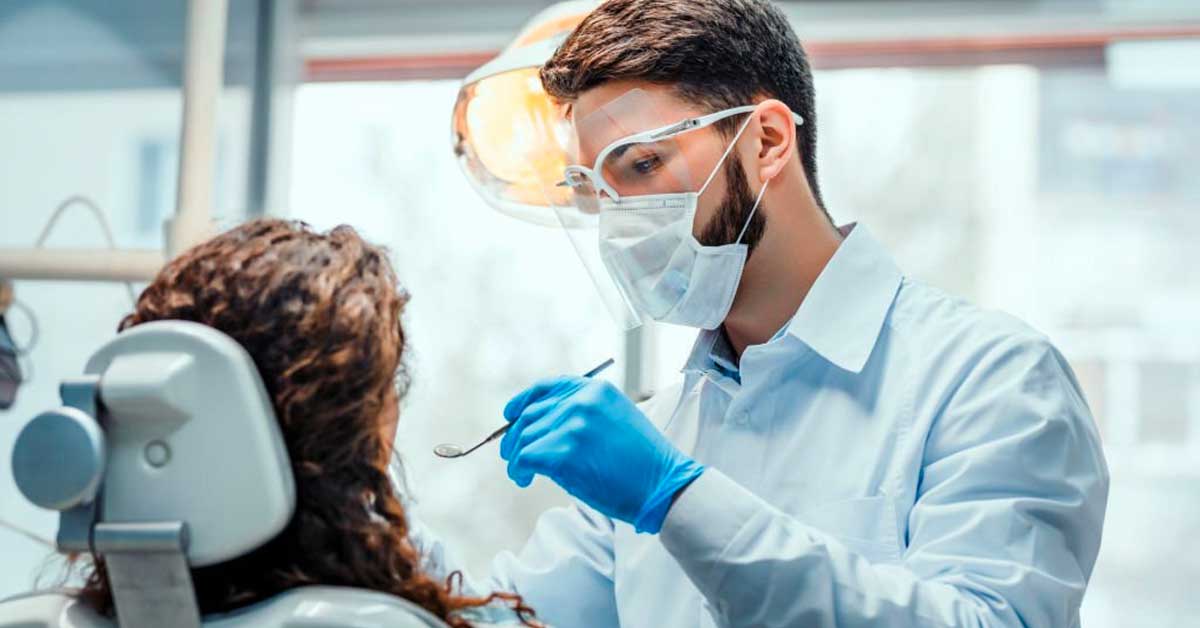
Dental erosion is a serious concern that can impact your oral health. It happens when acids slowly erode the enamel, the tough outer covering of your teeth. One major cause of erosion is the exposure to stomach acids, which can happen due to conditions like acid reflux or frequent vomiting. These acids actually weaken the enamel, leaving your teeth more susceptible to both decay and sensitivity. If left unchecked, erosion can pave the way for various dental problems to arise.
Diet Can Cause Dental Erosion
Your diet plays a critical role in shaping the landscape of dental erosion. Eating acidic foods and drinks puts your teeth at risk, which might slowly erode the safeguarding enamel. Acidic items, including citrus fruits, carbonated drinks, and fruit juices, weaken the enamel’s structure and make it more susceptible to dental enamel erosion.
The regular consumption of these acidic substances creates an environment in which the enamel’s minerals are gradually lost. As the enamel erodes, your teeth become increasingly susceptible to sensitivity, discoloration, and decay. Additionally, the erosion process can lead to changes in tooth shape and texture, affecting both your smile’s aesthetics and your overall oral health.
To prevent erosion in teeth caused by diet, it’s important to restrict your consumption of acidic foods and beverages. Maintaining a balanced diet that includes a variety of nutrients can also contribute to the overall health and strength of your teeth.
Symptoms of Dental Erosion
Erosion dental, manifests in various distinct symptoms that should not be ignored. With the gradual erosion of the protective enamel on your teeth, certain signs become evident. Increased tooth sensitivity is a primary indicator, causing discomfort when consuming hot, cold, or sweet substances. Discoloration and transparency of teeth might occur, as the enamel thins and exposes the underlying dentin.
Rounded edges and small dents on the tooth surfaces are also common. Moreover, eroded teeth become more susceptible to cavities and decay. Recognizing these symptoms promptly is crucial for early intervention and seeking professional care.
Complications of Dental Erosion
Dental erosion, can lead to a cascade of concerning complications if left untreated. As the enamel diminishes due to acid exposure, several issues arise. Tooth sensitivity intensifies, causing discomfort during consumption of certain foods and drinks. The eroded enamel’s weakening exposes the dentin, heightening vulnerability to cavities and decay. Teeth might undergo discoloration and transparency, impacting both appearance and confidence.
Additionally, the altered tooth structure may influence your bite and result in challenges when it comes to chewing. Early intervention is essential to prevent these complications and maintain your overall oral health.

Preventing Dental Erosion
Preserving your smile’s strength and radiance starts with proactive measures against dental erosion. The key lies in conscious choices and diligent oral care. Restricting the consumption of acidic foods and drinks is paramount. Cut back on items like citrus fruits, carbonated drinks, and fruit juices, which can weaken enamel.
When consuming acidic substances, you should use straw to minimize direct contact with your teeth. Subsequently, cleanse your mouth with water to assist in the process. Avoid brushing immediately after acid exposure, as the softened enamel can be more vulnerable to abrasion. Wait at least 30 minutes before brushing.
Balancing your diet with a variety of nutrients and maintaining proper oral hygiene practices are essential components of erosion prevention. Regular dental check-ups allow professionals to detect early signs of erosion and provide guidance on maintaining optimal oral health.
Saliva Can Help Reduce Dental Erosion
Saliva plays a vital role in safeguarding your teeth from the effects of erosion. Its natural properties help neutralize acids and remineralize the enamel. Chewing sugar-free gum can stimulate saliva production, aiding in maintaining a balanced pH level in your mouth and reducing the risk of erosion.
Staying hydrated also promotes saliva production, contributing to the overall protection of your teeth. By harnessing the power of your body’s natural defenses, you can take a proactive step towards preventing erosion and preserving your radiant smile.
Causes of Reduced Saliva
Reduced saliva production, known as xerostomia or dry mouth, can stem from various factors that impact your oral health and comfort. Medications, including certain antihistamines, antidepressants, and antihypertensives, are common culprits. Medical procedures such as radiation therapy targeting the head and neck area can also lead to decreased saliva production.
Specific health conditions like Sjögren’s syndrome, diabetes, and autoimmune disorders can lead to reduced saliva production, causing dry mouth. Lifestyle choices like smoking or excessive caffeine intake can exacerbate the condition. Moreover, aging can result in reduced saliva production over time.
Without sufficient saliva, the mouth’s natural defense against erosion weakens, leaving teeth more susceptible to acid damage and decay. It’s essential to identify the underlying cause of reduced saliva and seek professional guidance to address and manage the condition effectively.
Treatment for Dental Erosion
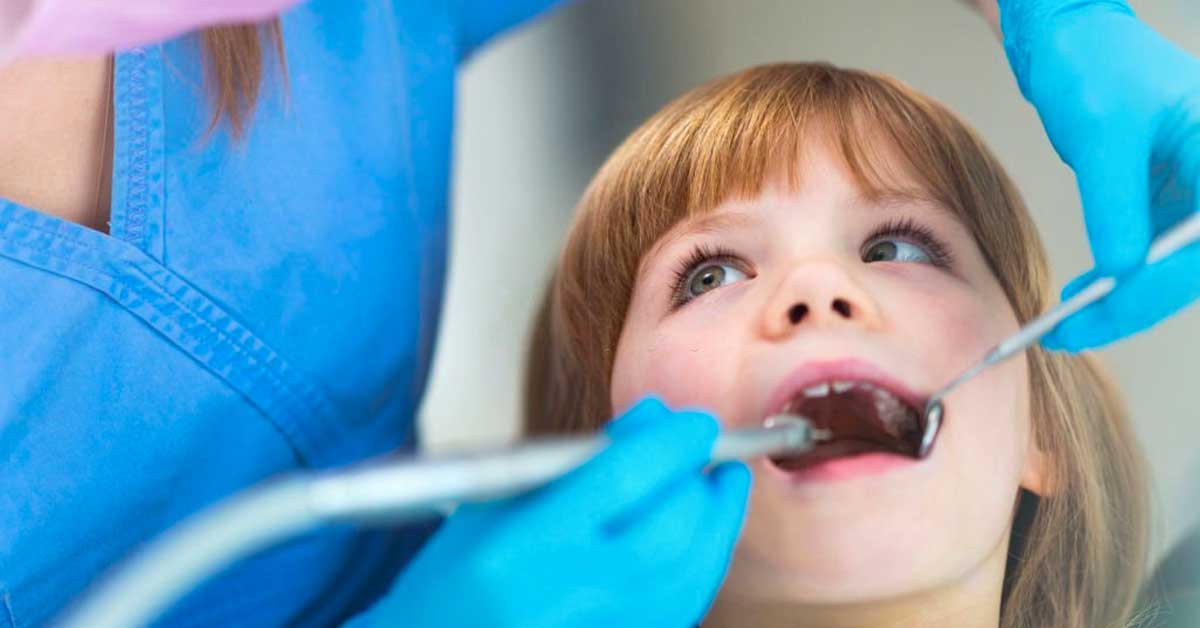
Addressing dental erosion requires a comprehensive approach to restore enamel health and prevent further damage. Dental erosion treatment strategies are tailored to the severity of erosion and individual needs. Fluoride treatments are often employed to strengthen enamel and enhance its resistance to acid exposure. Dental bonding, involving the application of a protective resin, shields eroded areas and restores tooth structure.
For more advanced cases, dental veneers can be considered. These slender, tailor-created shells envelop the frontal aspect of teeth, enhancing both appearance and safeguarding. Dietary adjustments play a pivotal role – reducing acidic food and drink intake minimizes acid attacks on teeth. Moreover, practicing good oral hygiene, using a soft-bristled toothbrush and fluoride toothpaste, aids in maintaining enamel strength.
Regular dental check-ups are vital for monitoring erosion progression and adapting treatment for dental erosion as necessary.
Safeguarding Your Smile’s Brilliance
In the pursuit of preserving your radiant smile and maintaining optimal oral health, understanding the concept of dental enamel erosion, or dental erosion, becomes paramount. Armed with knowledge about the causes, symptoms, and prevention measures discussed in this guide, you’re better equipped to protect your teeth from the effects of erosion.
By making informed choices regarding your diet, practicing diligent oral hygiene, and seeking professional guidance, you can actively prevent and address dental enamel erosion. Don’t ever forget that your smile is a reflection of your overall well-being, and investing in its protection today ensures a confident and vibrant tomorrow.
For personalized solutions and expert care, consider consulting professionals at Megadentist, who specialize in ensuring oral health remains at its best. Visit their site to explore tailored strategies that prioritize dental well-being and rejuvenate the brilliance of your smile. Your oral health journey begins here!
FAQs
Can Teeth Recover from Erosion?
While enamel erosion itself cannot be reversed, taking action early and getting the right treatment can stop more damage and bring back how your teeth look and work.
What are the Consequences of Enamel Erosion?
Enamel erosion can lead to increased tooth sensitivity, discoloration, and a higher susceptibility to cavities, impacting both the aesthetics and health of your teeth.
What Does Eroding Tooth Enamel Lead to?
Eroding tooth enamel can lead to increased tooth sensitivity, weakened teeth, and a higher risk of dental issues like cavities and fractures.
Does Enamel Erosion Get Worse?
Yes, if not taken care of, enamel erosion can get worse and cause bigger dental problems. Seeking professional care early is essential to prevent worsening of the condition.