


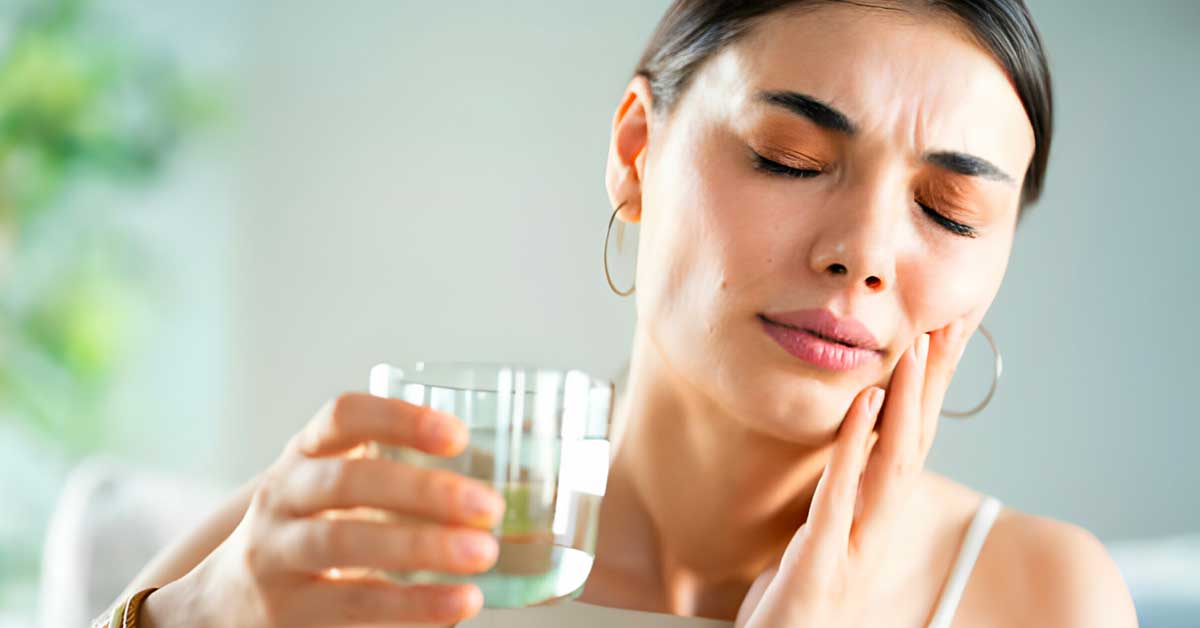
Alcohol and other high-acid snacks or beverages, like citrus fruits, may collaborate with the oral microbes to wear down acidic food teeth. Consuming these foods can contribute to acidic teeth, particularly if inadequate oral hygiene is also a problem. It is unlikely that eating acidic foods like citrus and processed meats can throw off the body’s pH balance. However, studies indicate that the optimal diet for general health was a well-rounded one that emphasizes plant-based foods.
What Is Dental Erosion?
The degeneration of the acidic food teeth surface caused by acids from food, drink, or acid reflux is known as dental erosion. Tooth degradation is the process by which acidic beverages and foods erode the hard substance protecting the teeth. This alters the way your teeth look and provides an entry point for microorganisms that can lead to acid damage teeth or cavities.
The biting surfaces, interior surfaces, and upper edges of your teeth are where dental erosion is most frequently found due to acidic foods for teeth. When the acid source originates from your stomach, the interior tissues are more susceptible to damage. Dental erosion can lead to a progressive loss of tooth surface if treatment is delayed. Over time, acid eliminates the tooth’s enamel, revealing the mineral called dentine beneath. The color of dentine is yellowish-brown.
How Acids Affect Your Mouth
During dental erosion, acidic food teeth are brought on by dietary acid or bile coming towards the outermost layer. These acidic teeth have the potential to erode the hard substance that makes up your teeth, leading to enamel loss. Some of the main causes of the negative effects of acid damage teeth are listed below:
- By stomach acids: To aid in food digestion, the stomach produces a large number of acidic substances. These stomach acids might come into the mouth as a result of gerd and vomit.
- Diet: A large number of the foods or beverages we ate were acidic. The fact that acidic foods taste great is just one of the causes of this. Acidic foods and beverages include juices from fruits, energizers, soft drinks (which include sugar-free options), alcoholic beverages, and a lot more.
Food acids are commonly added to meals and beverages. An ingredient listing can tell you if acids have been introduced lately to foods or drinks. Based on how much of each item is used in the recipe, acidic foods to avoid for teeth are presented first. If the item’s ph is toward the top of the list, the concerned item will be more acidic. So, is citric acid bad for your teeth or not? have a clear answer as yes.

Harmful Acidic Foods and Beverages
Acidic foods to avoid for teeth are like refined carbohydrates and some dairy goods have a propensity to raise acid in your system, which means you might want to restrict and keep away from acidic food teeth. Additionally,
- Packaged or meat that is fresh
- Sodas and other beverages with added sugar.
- Foods strong in protein and supplements.
- Seafood, candies, and sugar-based goods
There is no proof to link acidic foods for teeth like milk or animal protein to persistent illnesses brought on by acidosis. Additional studies could clarify this relationship or reveal other benefits to health from a decrease in animal products.
While checking out what foods are acidic for teeth, all sugar is bad for your teeth, gummy candy can be considered as the worst. After hours, sweets may stick in teeth and remain lodged between them in their final days, harboring bacteria that inevitably leads to cavities. Use of tobacco. Combined smoking and dipping induce teeth discoloration, raise the risk of oral cancer, and cause gum recession, resulting in missing teeth.
Limiting the Effect of Acidic Foods
Researchers mostly advise eating more sources of alkaline-producing foods to avoid acidic food teeth. Those foods can be listed as fruits and vegetables, at a 3-to-1 ratio because waste products are often acidic. What occurs to foodstuffs once they enter your body matters beyond their pH when they’re first consumed.
Urine with an excessively acidic pH is rare, although it does happen. On the other hand, excessive acidity is generally more of a worldwide concern. This is due to the heavy consumption of acidic foods for teeth such as cereals, sweets, and dairy products. Prescribed drug usage in greater quantities is another factor contributing to the issue.
How to Protect Your Teeth
Firstly, avoid brushing your teeth immediately after consuming acidic meals against acidic food teeth. To allow the saliva to neutralize the acid, wait thirty minutes. A great technique to prevent acidic damage of acidic foods for teeth is to brush using an effective toothpaste with fluoride prior to eating these kinds of foods. In order to combat acidic substances, one can neutralize them by eating cheese, swaying with water, or using a fluoride rinse. Chewing sugar-free gum encourages the creation of saliva. Since the production of saliva decreases during sleep, steer clear of sour food prior to bed and can be counted for acidic foods to avoid for teeth.
Protect Your Teeth From an Acidic Onslaught
To avoid acidic food teeth, hold acidic meals in your mouth for extended periods of time. Sucking on a slice of lemon or acidic candy enables the acid damage teeth, which eventually results in significant damage. Sugar is additionally found in such as bitter sweets, which feed decay-causing bacteria. routine dental attention. Regular visits to the dentist are the best method for preserving the health of the teeth. When you notice any signs of chipped enamel on your teeth, the dentist will inform you and work with you to create a strategy to keep them strong.
Sonuç
It will be simpler to keep your teeth healthy the more knowledge you have about them. From now on you won’t have to worry about your teeth excessively if you’ve established excellent oral hygiene routines. If you’re seeking more information on how to keep your smile safe both during the year and throughout the course of your life, Megadentist is ready to help you!


