Oral hygiene is defined as the overall set of health and care practices within the oral cavity. It is crucial to maintain throughout one’s lifetime, starting particularly from childhood. Giving importance to this matter from early ages is valuable for both general care and habit formation. Oral health practices for children can be challenging. Many children may find daily oral care routines such as brushing and flossing boring. You can use the tips in our article to turn your child’s oral hygiene habits into a fun activity.
Make brushing and flossing entertaining and engaging
Teaching the oral hygiene routine to children begins with turning brushing and flossing into a fun activity. Using toothbrushes with colors and characters that children love, along with sweet-flavored toothpaste, can make this routine more appealing to them. Additionally, you can play their favorite songs for them to listen to during the brushing process or use a timer to track the brushing time.
For flossing, you can create various games. Divide the teeth into four equal sections, establish a rhythm for each section, and create a song. Since using dental floss can be a bit more tiring than brushing, you can implement rewards at the beginning of the process.
The structure you choose for rewarding should be parallel to the methods you have used for similar practices before. If you have rewarded your child with chocolate, candy, or the like in the past, this inconsistency may be detrimental to oral hygiene. Therefore, exploring innovative ways for good oral hygiene would be beneficial.
Let your child pick out their toothbrush
Giving your children the freedom to choose their own toothbrushes is a crucial step in instilling oral hygiene habits. Allowing them to make choices based on color and character preferences makes them more likely to enjoy dental care. This way, you can make their oral hygiene routines more personal and enjoyable. Moreover, letting children choose their own toothbrushes helps them develop oral hygiene habits.
You can further turn the toothbrush selection process into an adventure. For example, when you go shopping, you can turn it into a treasure hunt-like activity, allowing them to explore brushes with different colors and characters. At the end of the process, by asking them questions about how they made their choices, you can also enhance their decision-making skills. This way, your child will feel that brushing their teeth has evolved from being just a chore into a special activity personalized for them.
Turn brushing and flossing Into family time
Incorporating brushing and flossing activities into a family routine allows children to sustain these habits over the long term. Involving other family members in this routine also helps the child normalize it.
It is important to note that establishing brushing, flossing, and oral hygiene practices as habits is a challenging and lengthy process. At this point, it should not be overlooked that children look up to their parents and family members as examples. Poor oral hygiene habits by parents can set a wrong example for children. Therefore, the continuity of dental care practices within the family is crucial.
Create a brushing chart
Creating a brushing chart for children to track their oral hygiene habits is a method that has become quite popular recently. You can capture your children’s interest by adding sticky notes or marks to the chart after each successful brushing. Additionally, you can include practices targeting specific oral health goals, such as preventing common intraoral issues like periodontitis oral hygiene. This way, your children turn what needs to be done during brushing into a sort of task.
Starting with the understanding that the beginning of this method may be challenging, given the psychology of reward, you should persist. However, when you persist, children will develop this routine as a habit in the medium and long term.
Reward good oral hygiene habits
The reward method is highly effective in encouraging good oral hygiene habits in children. Rewarding provides motivation for children to maintain regular tooth brushing and flossing. For example, giving small gifts or taking them to a favorite activity every week for brushing their teeth regularly can encourage the continuation of these good habits.
These rewards should not only reinforce the importance of oral hygiene but also capture your child’s interest. Healthy and enjoyable activities, such as reading sessions, winning a favorite toy, or having a pleasant family picnic, can be good options.
It is important that the methods used to reward oral hygiene routines are age-appropriate and align with your child’s interests. Colorful stickers or character-themed rewards may be appealing to younger children, while activities done as a family or specific privileges may be more meaningful for older children.
It’s also essential not to forget that oral hygiene is not only about brushing and flossing. Healthy eating habits and regular dental check-ups are also important components of oral hygiene. Therefore, offering healthy snacks to your children or turning dental visits into a fun experience can be used to reward good oral hygiene habits.

Make trips to their pediatric dentist exciting
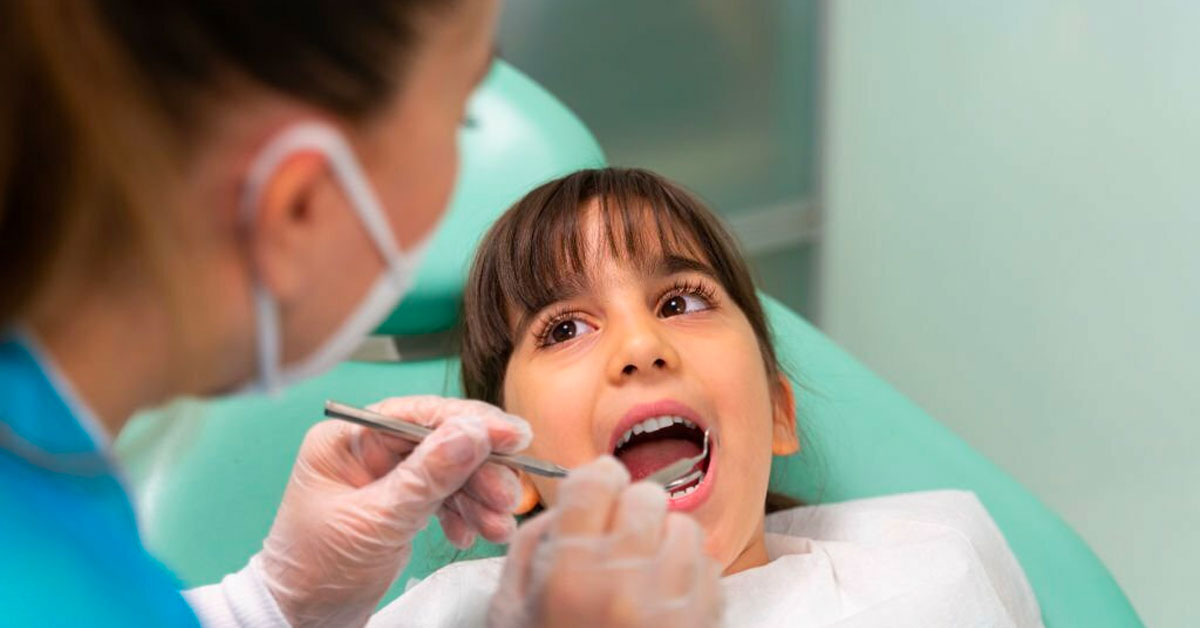
Making your child’s pediatric dentistry visits exciting and enjoyable helps them understand the importance of oral hygiene. Presenting doctor appointments as adventures can help pre-excite your children for visits, reducing their fears of going to the dentist.
For example, you can read stories to your child before a dental visit, explaining why these visits are important. Additionally, after dental appointments, you can give small rewards for their good behavior and cooperation.
You can also use dental visits as an opportunity for your child to learn more about their oral health. Dentists often share oral health information in ways that capture children’s interest, explaining the importance of brushing their teeth in fun ways.
Allowing your child to interact with the dentist, ask questions, and participate in the visit can make them more conscious about the problems that bad oral hygiene can bring.
Result
Children’s oral hygiene habits play a crucial role in maintaining not only a healthy smile but also their overall health. You can encourage your children to develop positive attitudes toward oral hygiene by creating fun brushing routines, allowing them freedom in choosing their toothbrush, organizing family brushing activities, using brushing charts, and rewarding good habits.
Interventions such as tooth extractions may be required during developmental stages. In such cases, it’s important for your child to be aware of issues such as dry socket oral hygiene based on their age level, and be able to perform oral care correctly. Otherwise, various health problems, such as inflammation, can arise.
For proper care and support for your child’s oral and dental health, you can visit megadentist.com.tr/en/. We provide comprehensive services for dental health needs with our professional and experienced team. Contact us to keep your child’s oral health in check and provide them with a fun oral care experience.