


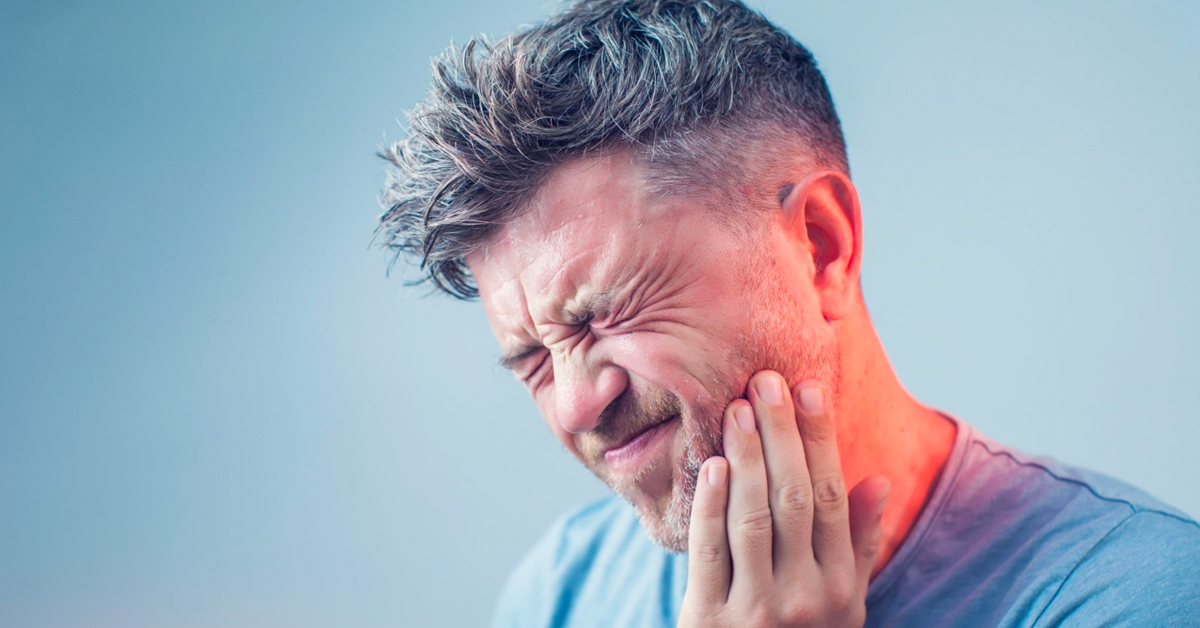
Experiencing toothache or sensitivity can be a painful and uncomfortable sensation. If you are wondering “Why do my teeth hurt?”, you can be sure this is a widespread concern. While tooth sensitivity and pain sometimes occur for very basic reasons, it can also be a sign of other serious problems.
We offer a guide to dental discomfort, exploring the root causes for toothache and sensitivity. By gaining a deeper understanding of these factors, you’ll be equipped with the knowledge to identify possible reasons and seek appropriate dental care for lasting relief.
Common Offenders Behind Toothache
Experiencing toothache while biting down can be an uncomfortable issue. Understanding the potential causes behind this dental sensitivity is crucial to identify key factors contributing to your question “Why do my teeth hurt when I bite down?”. Let’s explore some common offenders that can lead to toothache:
- Tooth Decay and Cavities: Tooth decay and cavities can weaken the structure of the tooth, causing sensitivity and pain when pressure is applied while biting down or chewing.
- Cracked Teeth: Fractured or traumatized teeth cause sharp pain when biting down. The damage exposes the nerves inside the tooth, resulting in sensitivity.
- Gum Problems: Gum diseases like periodontitis cause gingivitis, recession, and even bone loss.
- Dental Abscess: The infection that develops in the tooth or in the root is called a tooth abscess. It causes intense ache, particularly when biting. In this case, it requires urgent and serious attention.
- Bruxism: Persistent grinding or clenching of the teeth that puts excessive pressure on the teeth. This is also most observed during chewing and biting down.
By understanding these common culprits, you can gain insight into potential causes of your toothache when biting down. Still, it’s crucial to speak with a dental professional for a comprehensive evaluation and personalized treatment plan to address your specific dental concerns.
Seeking Relief: Tips for Managing Tooth Sensitivity
After finding an answer to your question “why do my teeth hurt”, it’s time to find some solutions! If you’re dealing with the “tooth hurts when I bite down,” problem, there are steps you can take to manage and alleviate tooth sensitivity. Consider the following tips for finding relief:
- Maintain Healthy Oral Hygiene: Keeping your mouth clean is crucial for reducing tooth sensitivity. Apply a soft-bristled toothbrush and fluoride toothpaste to gently clean your teeth. Use floss every day to remove plaque beneath your gum line.
- Use Desensitizing Toothpaste: Special toothpaste designed for sensitive teeth can help alleviate bump. Look for toothpaste that contains ingredients that can gradually lessen sensitivity, such as potassium nitrate or strontium chloride.
- Limit Trigger Nourishment and Drinks: Some meals and drinks, such acidic fruits, hot or cold drinks, and sugary snacks, might make teeth more sensitive.
- Consider a Mouthguard: If you suspect that teeth grinding or clenching (bruxism) is causing your toothache when biting down, consult your dentist about using a custom-fitted mouthguard to protect your teeth and alleviate pressure.
- Schedule Regular Dental Check-ups: For preserving oral health and treating any associated dental problems that could be causing tooth sensitivity, regular dentist checkups are essential. Your dentist can provide personalized recommendations and remdies to manage your specific and personalized case.
Remember, tooth sensitivity when biting down can indicate any underlying dental problem, so it’s vital to get in touch with a dental expert for a comprehensive assessment and suitable treatment alternatives.
When to Seek Professional Dental Care
Home remedies and lifestyle adjustments can provide temporary relief but it is crucial to consult a dentist for persistent or severe tooth pain. Dental professionals can conduct a thorough examination, identify the underlying cause of your tooth sensitivity, and provide targeted treatments or interventions to effectively address the issue.
The things we explained are not exhaustive and any persistent or concerning dental symptoms should be evaluated by a dental professional. Regular dental check-ups are essential for preventive care, but if you experience any of the aforementioned signs, It’s critically recommended to arrange an appointment with your dentist.
Why Do My Teeth Hurt? You can visit https://megadentist.com.tr/en/ to get information about and get examined.
Sources:
https://www.nhsinform.scot/illnesses-and-conditions/mouth/toothache
https://www.beladentistry.com/5-culprits-of-tooth-pain-and-what-to-do-when-it-strikes


